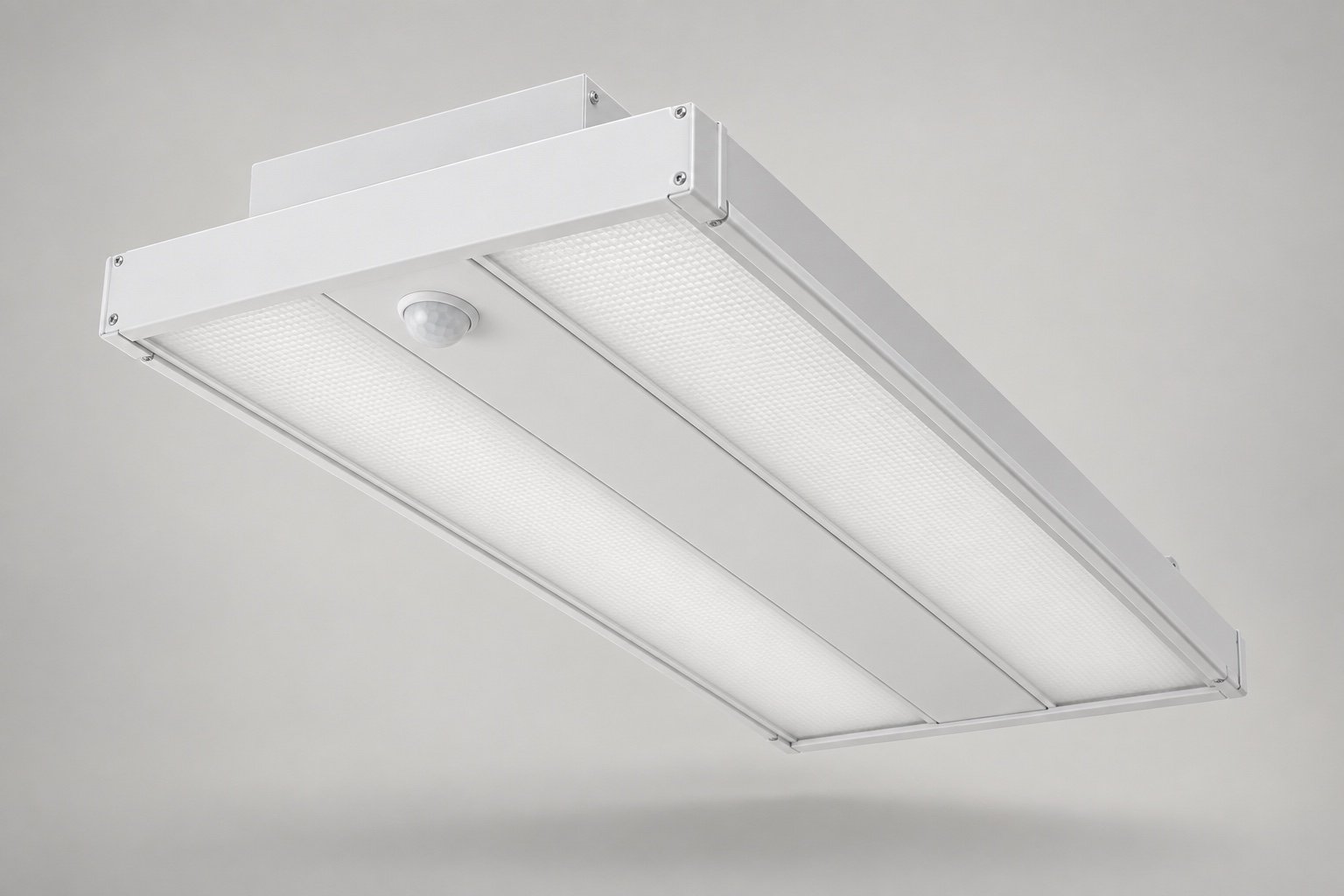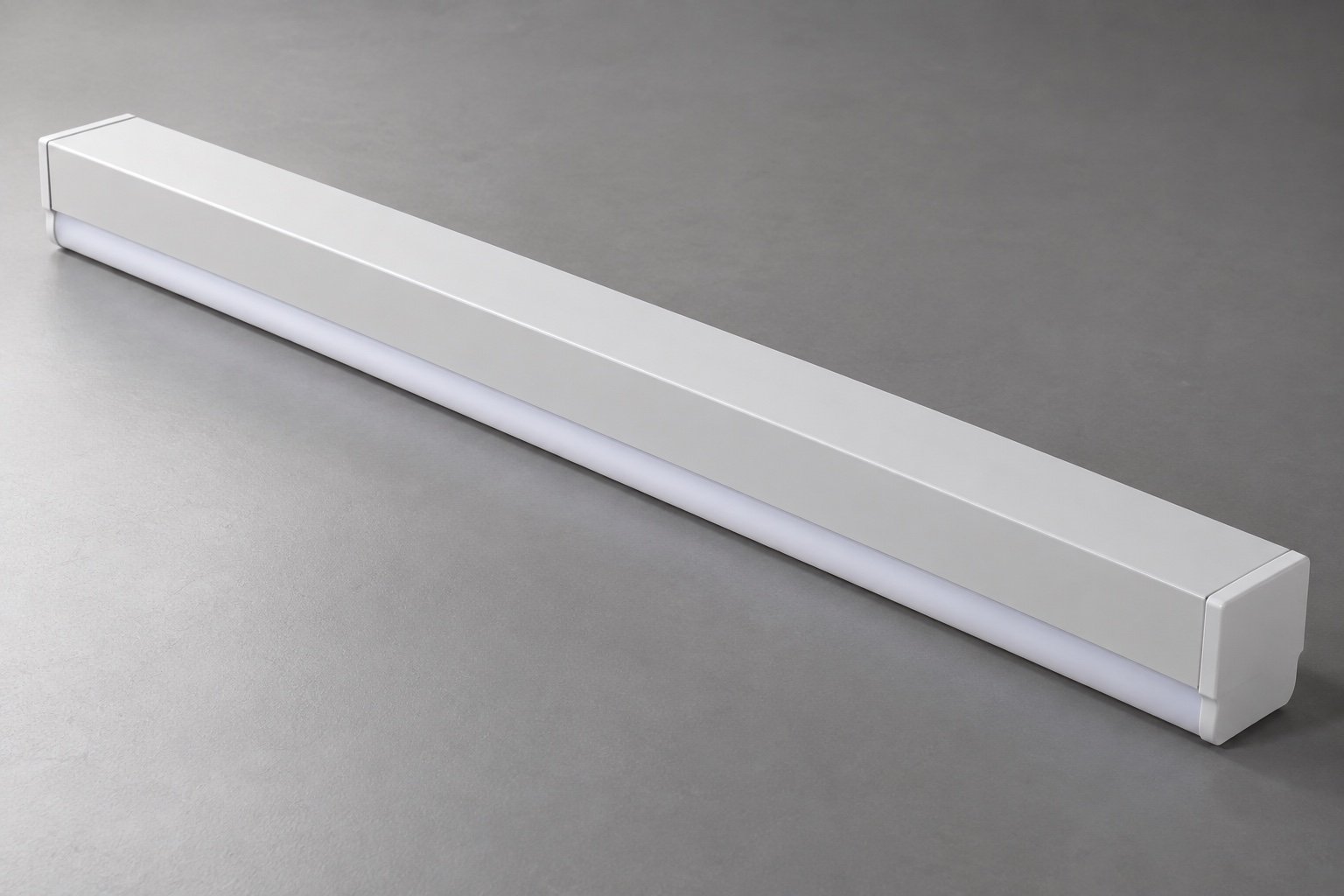
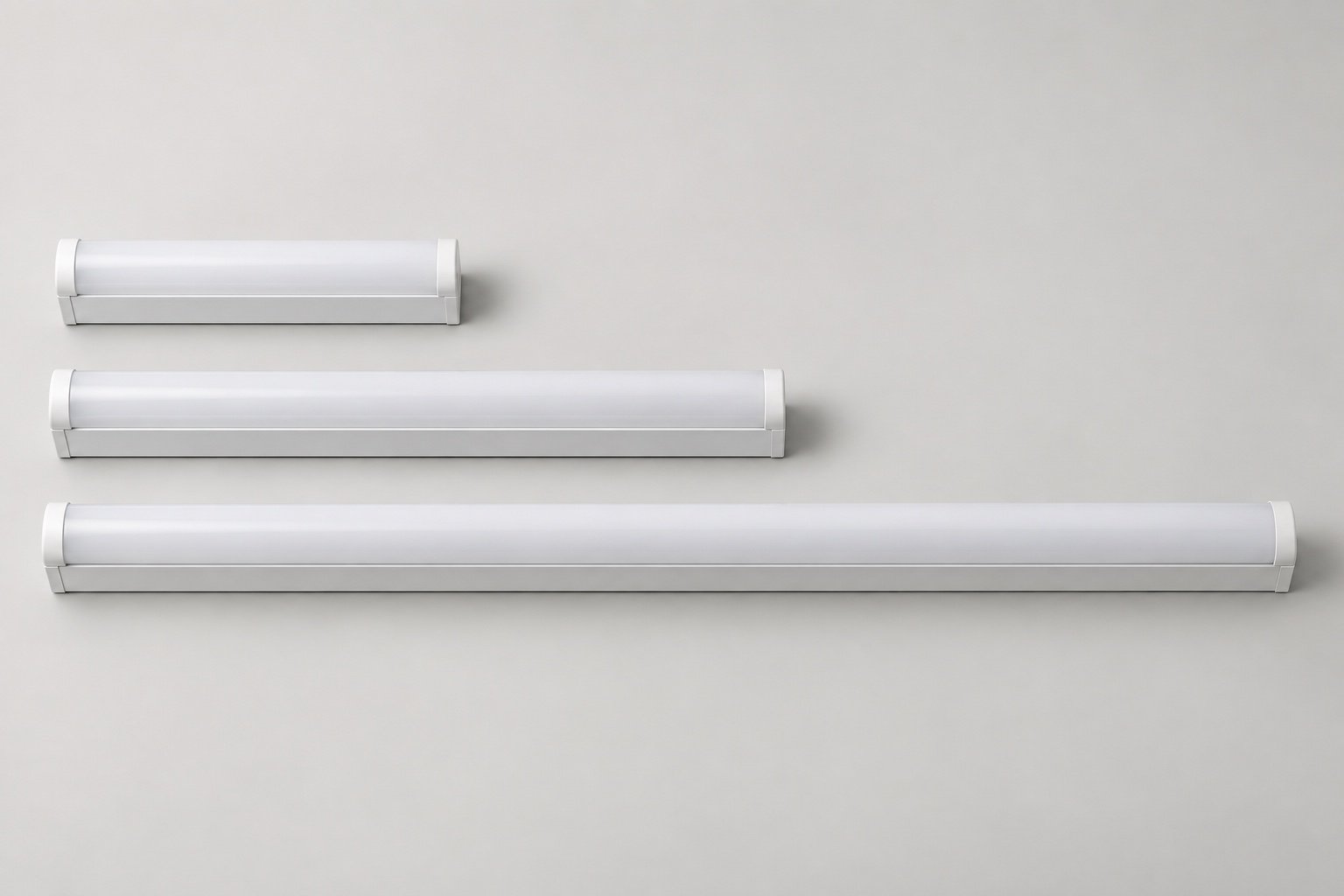
A linear lighting family can share its appearance while containing several different performance conditions. Length, power, CCT, optics, drivers and controls may all vary. DLC product family testing therefore needs a map of the actual configurations before anyone assumes that one report represents the range.
For an OEM redesign, the useful objective is to connect shared design decisions to the evidence needed for each affected characteristic. That allows prototype planning to follow the product family rather than a single convenient sample.
Build a configuration matrix before selecting samples
The first matrix should contain the combinations the brand intends to sell. It should distinguish fixed settings from selectable capabilities and identify any combinations that are not offered. A list of possible components is not yet a list of finished product configurations.
| Configuration field | What to record | Why it belongs in the review |
|---|---|---|
| Length and mechanical version | Housing, board arrangement and assembly references | Establishes dimensional and construction differences |
| Power and operating settings | Driver model and actual settings | Identifies the operating conditions being represented |
| CCT and color options | Fixed or adjustable implementation and offered range | Connects the sales options to light-quality evidence |
| Optical option | Part reference, aperture and distribution | Identifies changes that can affect optical performance |
| Controls | Integral devices, receptacles and orderable variants | Aligns the configuration with its capability claims |
The matrix can also include the current report and proposed revision for each row. Blank evidence fields should remain blank until resolved; populating them with a related report number does not establish coverage.
Separate shared architecture from performance changes
Shared architecture is useful for engineering reuse, but it does not by itself establish a qualifying product family. The DLC Level 2 application guidance describes family relationships and allowable variations; the current technical requirements determine the applicable testing provisions.
A longer housing, for example, may also change board count, driver loading, internal arrangement or optical joints. If those variables change together, length alone does not describe the revised product. The comparison needs the actual construction and component information.
For redesign planning, it helps to label each change as shared across the family or confined to certain configurations. A common optical interface may allow design work to be reused, while the resulting performance still needs to be represented correctly for the affected models.
Choose representative configurations by metric
There is no sound general shortcut that makes the highest-power or longest model the representative sample for every characteristic. The sample strategy needs to follow the applicable metric and product rules.
An efficacy review, a light-quality review, an optical-variation review and a thermal review can point to different evidence needs. Sections 24 and 25 of the DLC technical requirements should be used to establish the minimum testing and any applicable additional provisions. The laboratory and application owner should resolve the proposed coverage before the prototype list is frozen.
The engineering worksheet should state, for every selected sample: which configurations it is intended to represent, which metric it addresses, why it was selected and what remains uncovered. That makes a disputed assumption visible before time is spent making the wrong sample.
Check whether earlier reports still represent the design
A report belongs to its tested configuration. When an optic, LED board, driver or construction detail changes, the team should compare the old configuration with the proposed one and assess the affected characteristics. The product-update guidance explains how the extent of a change influences the documentation and testing required.
The V6.0 transition also has special provisions for eligible updates of existing listed products. Those provisions must be read with their conditions. The simplified update process excludes elective performance changes and new models, so it should not be treated as a general testing exemption for a redesigned family. See the official transition guidance.
This distinction can change the project plan. Keeping some unchanged configurations while redesigning others requires an explicit route and evidence review, rather than assuming that the entire range has one identical starting position.
Freeze the test plan and carry it into production
Once the proposed coverage is agreed, sample identifiers should link to model numbers, drawings, component lists, settings and intended tests. The final reports should be reconciled against those identifiers before the application package is assembled.
Production configuration control continues the same record. An approved alternative component or a new sales option needs an impact review before it inherits the evidence associated with another version. Purchasing substitutions should not silently expand the tested product definition.
Felix can support common optical and mechanical design solutions while helping the product team identify the physical changes that need separate consideration. This engineering work does not pre-approve a family boundary or guarantee the number of test reports required.
Discuss a linear-product family with Felix by providing the configuration matrix, shared components, proposed changes and existing reports. The first useful output is an agreed view of the design variations and open evidence questions, ready for coordination with the laboratory and application owner.